
A POSTCARD FROM PUGLIA - Italy’s Leftovers
A Postcard from Puglia - Italy’s Leftovers
ROOV Postcard 4
A postcard reveals a dynamic place we recently visited.
Puglia
Worn at the edges in the best possible way, Puglia feels like old Italy still holding onto itself. Long lunches, dusty roads, olive groves, towns that come alive slowly in the evening — the entire region moves with a kind of looseness that’s becoming harder to find elsewhere in Italy. Less polished, more lived in, and somehow richer because of it. Here’s our lead into southern Italy and the places, people, and hotels that made us understand its perspective.
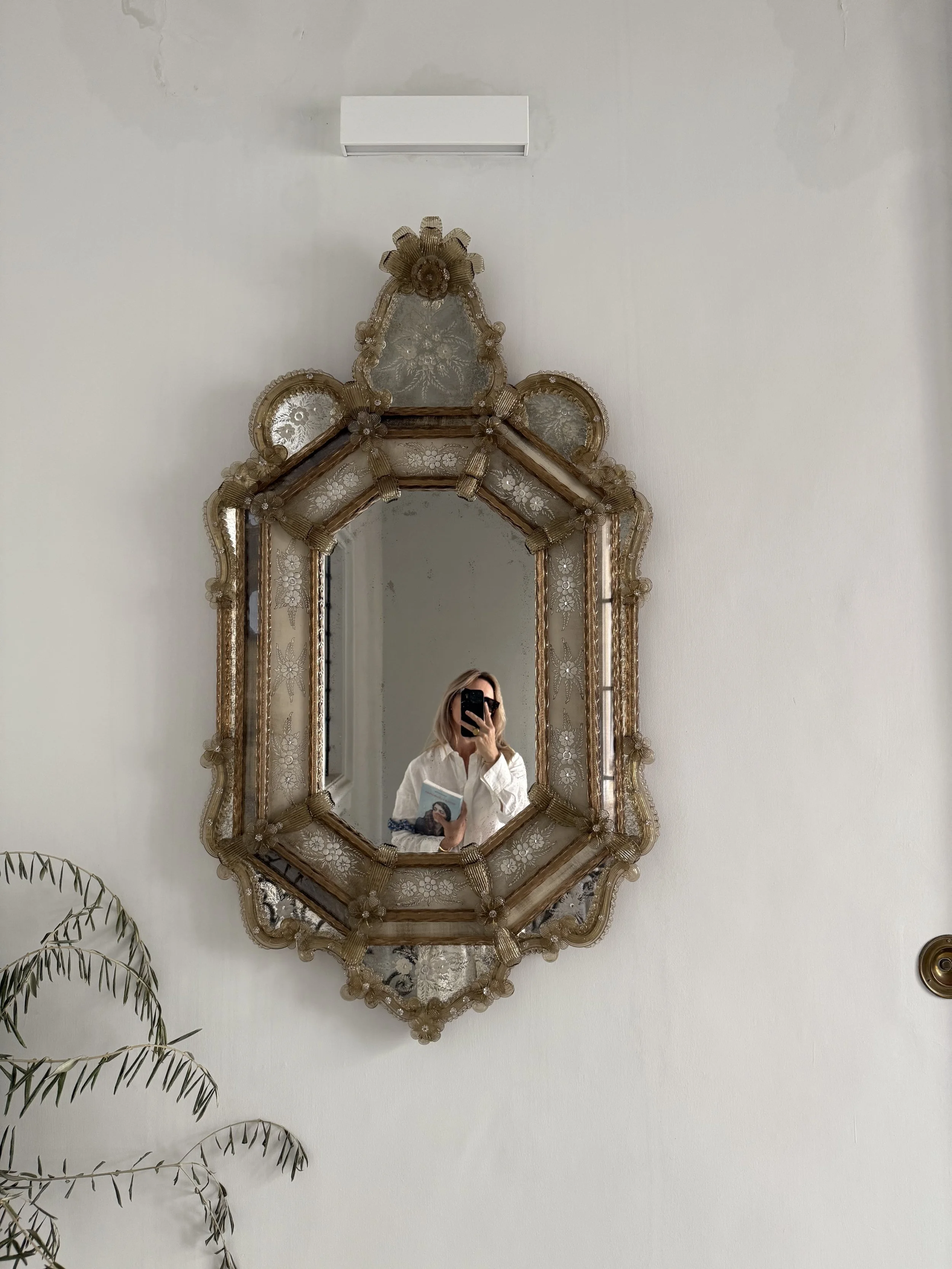
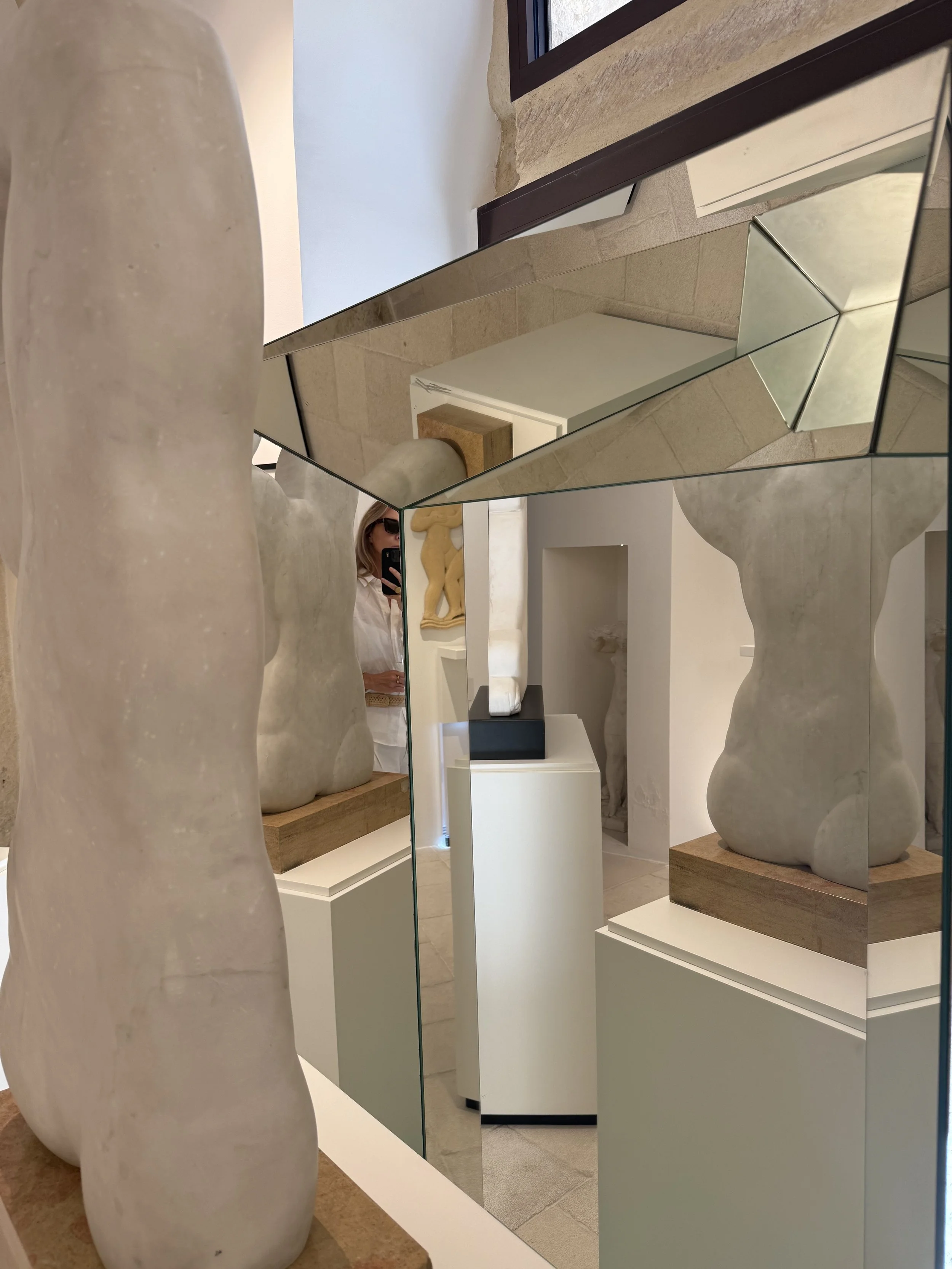
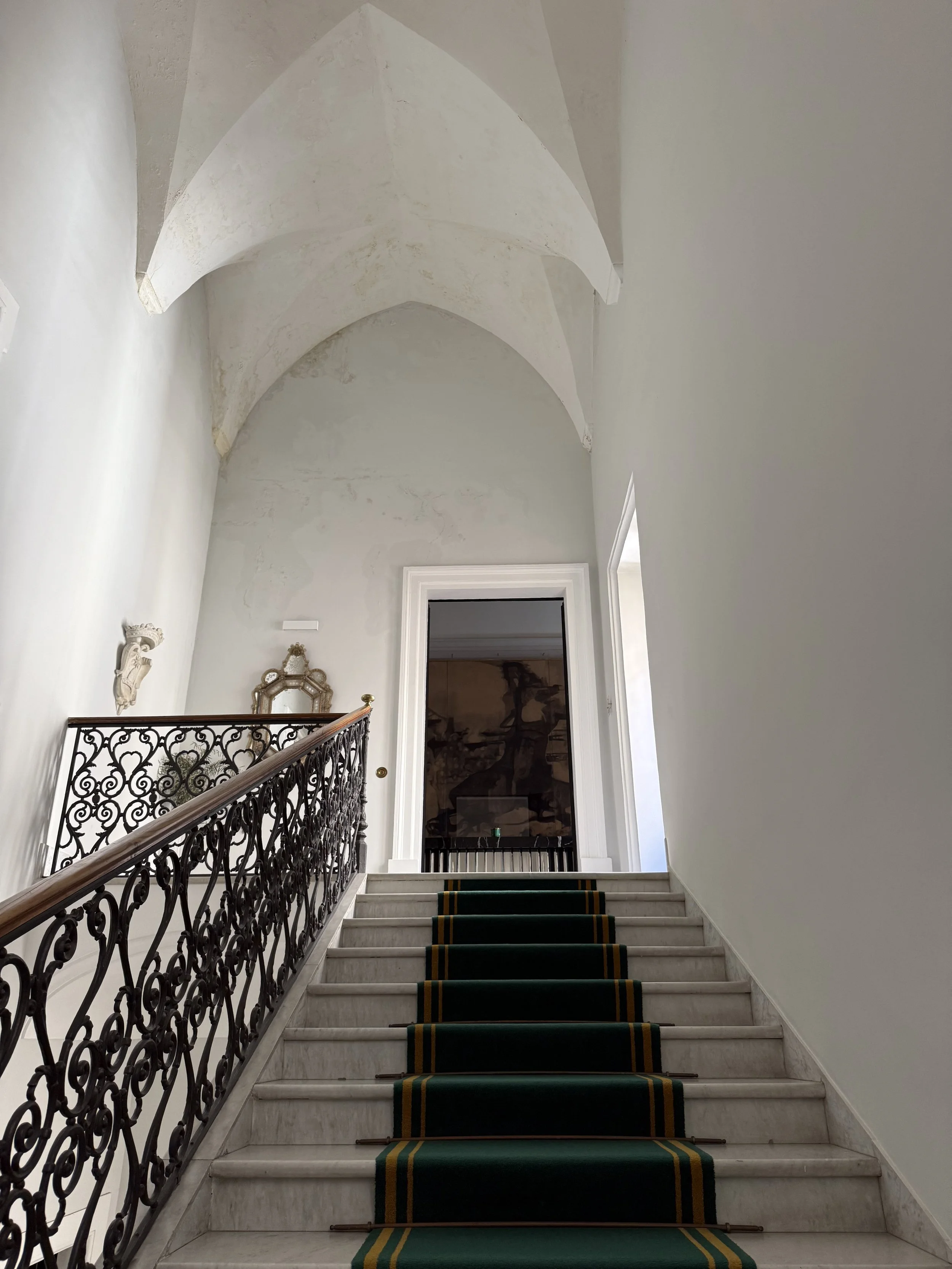
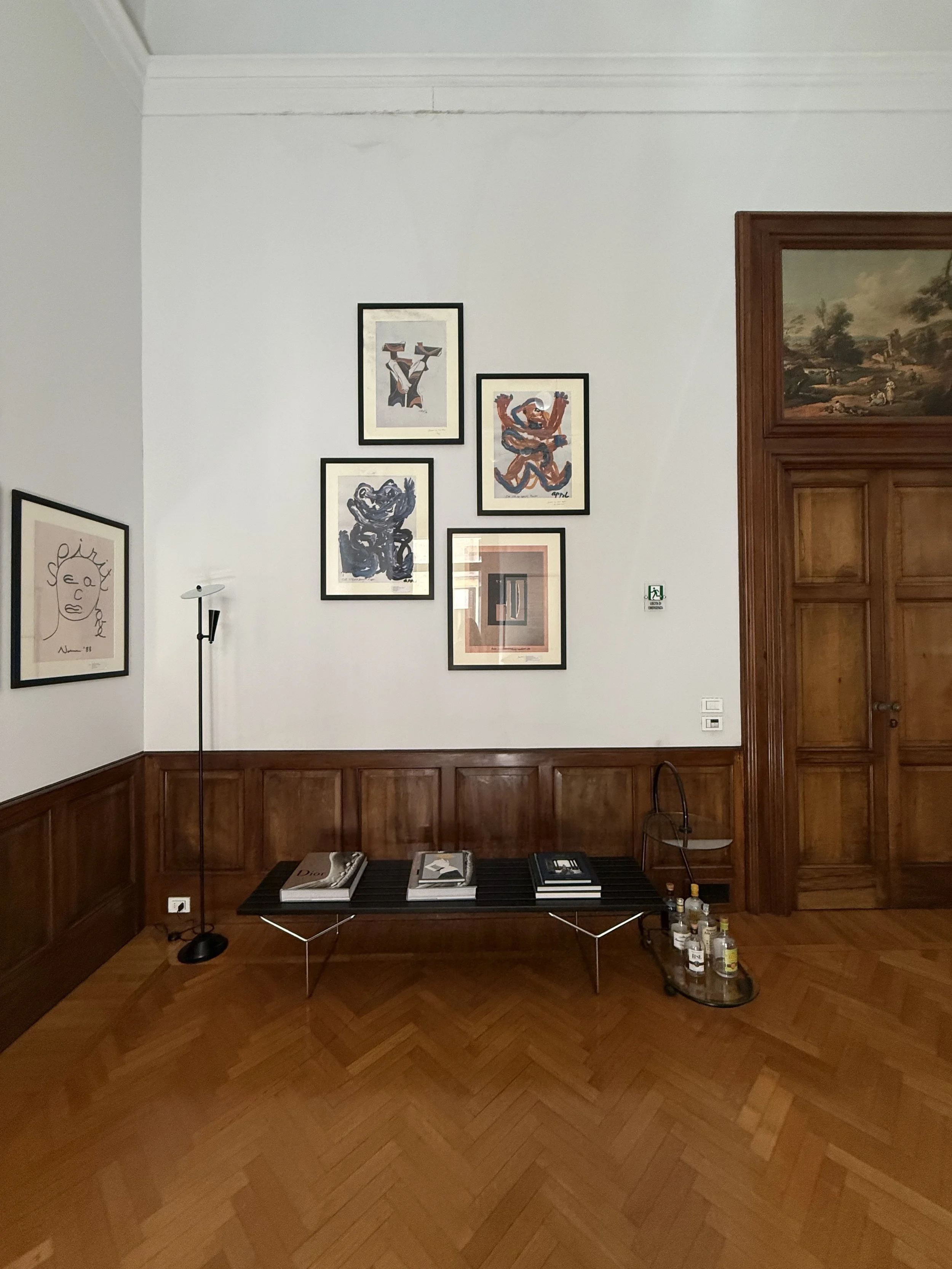
Maybe you studied abroad in Florence or Rome decades ago. Maybe you spent your twenties moving through Italy by train, eating too much, staying out too late, and falling a little in love with the entire idea of Italian life.
And now you want to go back — this time with your husband who’s never been, or with friends, or simply as the version of yourself you are now. Not necessarily to recreate the exact trip, but to reconnect with the feeling of it all — the warmth, the looseness of the days, the way Italy somehow allows life to feel more cinematic.
If that’s what you’re after, make your way south to Puglia.
I first went for a luxury travel conference in Italy, but like most places I end up genuinely interested in, the real experience started after the event ended. Wanting to understand the region beyond the polished itineraries and hotel presentations, I planned an additional week through Puglia with a local DMC — essentially an on-the-ground travel partner who shapes how a place is actually experienced. We drove through olive groves and small towns, checked into masserias, toured hotels, met guides, and tried to understand what Puglia really was beneath the recent attention it’s received.
Puglia feels like old Italy. Not preserved or polished for tourism, but naturally so. Life still revolves around family, friends, food, the market, and long evenings outside. Days unfold slowly. Tables fill gradually. Nobody appears particularly rushed.
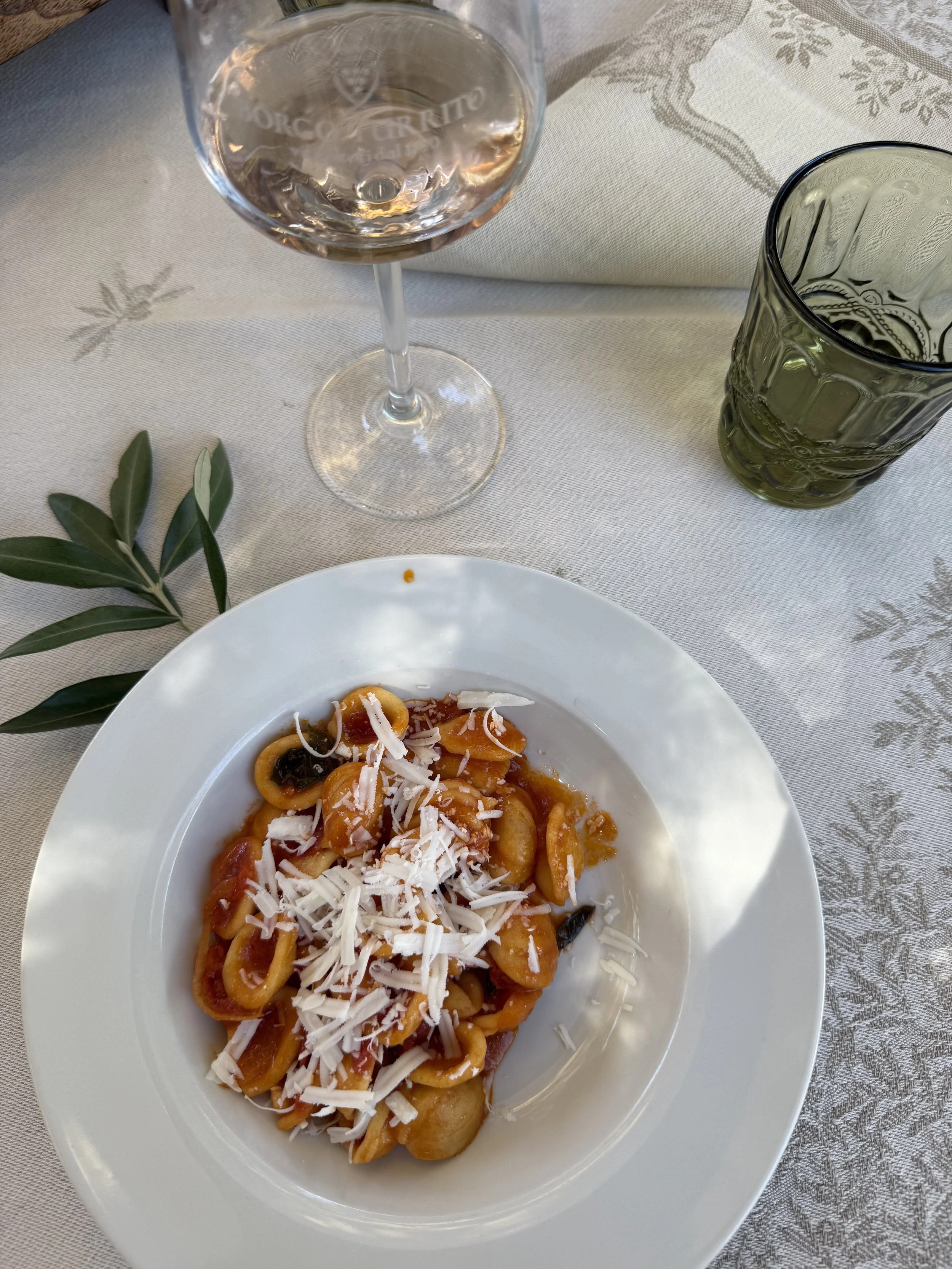
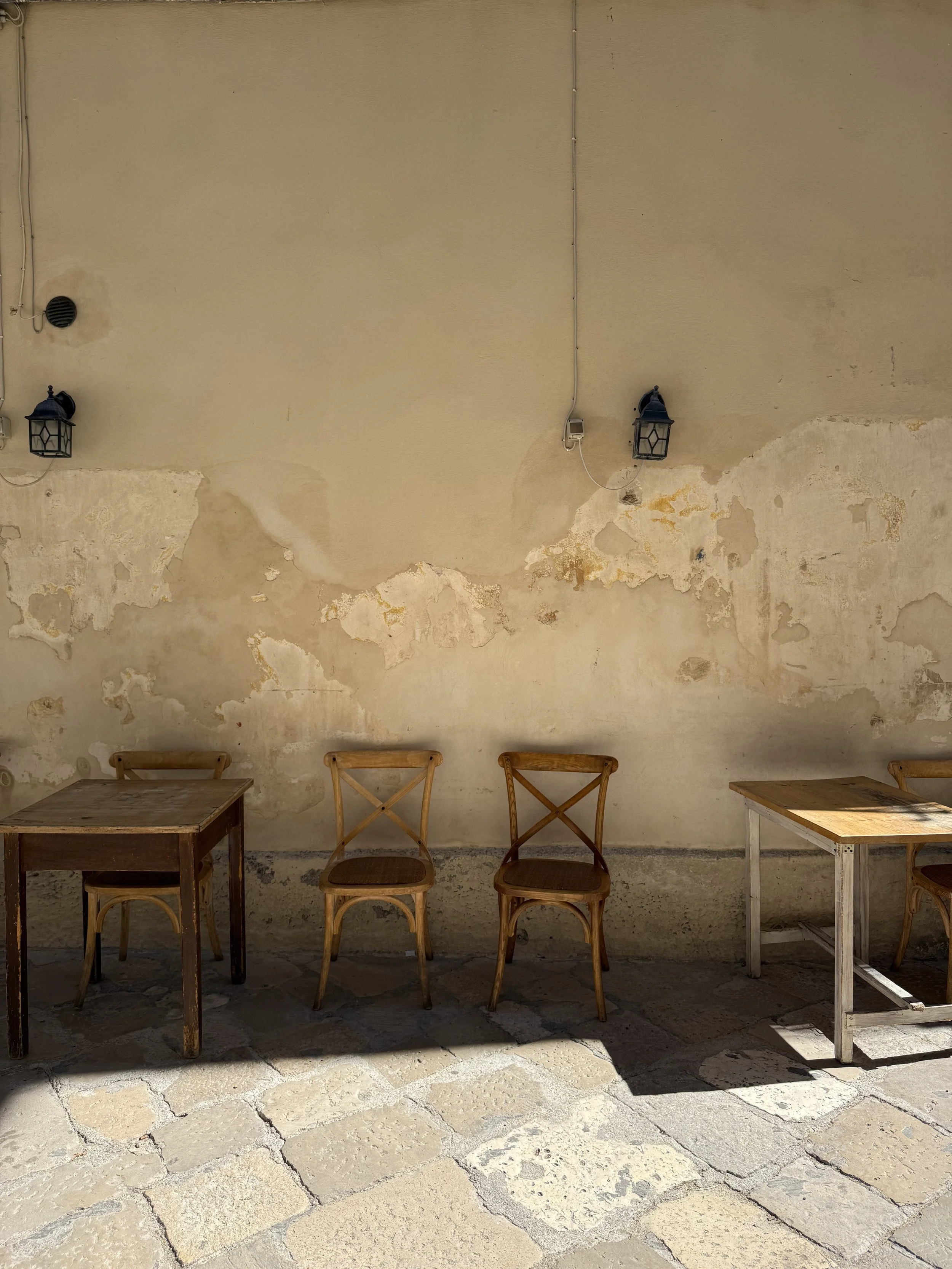
The coastline is lovely, yes, but if you know truly great beach or sea culture, that’s not really the reason to come here. Puglia is better understood through its towns and countryside, and the feeling that the entire region has softened a little under the southern Italian sun. Long tables lining cobblestone streets. Lunches where you lose track of how many courses there have been and then somehow another bowl of pasta still arrives at the table. Dusty roads lined with ancient trees. Old men smoking outside cafés. Town squares where technically nothing is happening, but you stay for hours anyway.
Honestly, Puglia feels a bit like Italy’s leftovers — and I mean that as a compliment. Like eggplant parmigiana the next day: deeper, more settled, somehow richer than it was the night before. The flavors soften into each other. Nothing is trying too hard anymore. There’s less performance to it. That’s Puglia.



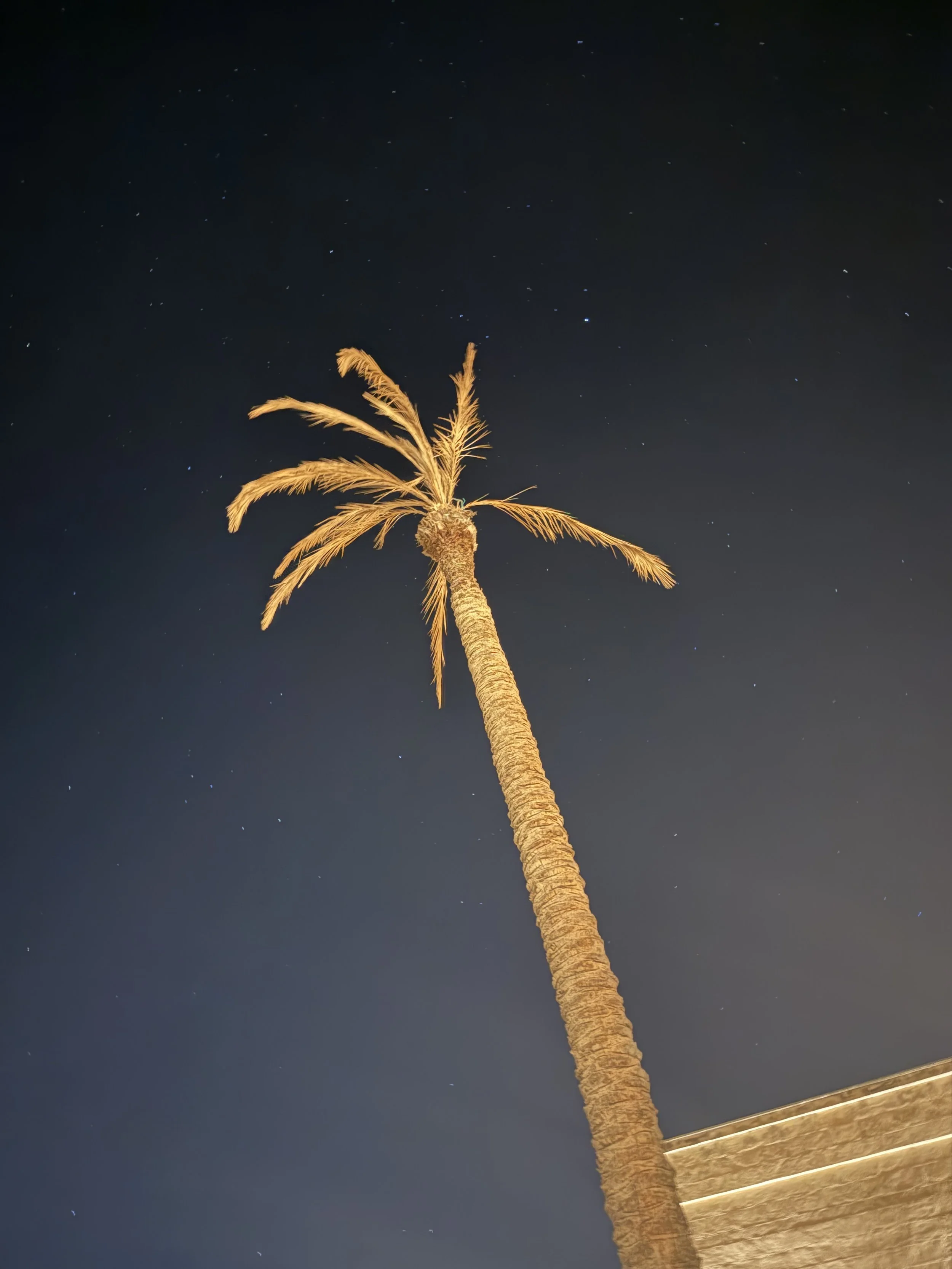
Puglia Recommendations
I’d start in Lecce and stay at La Fiermontina for a few nights.
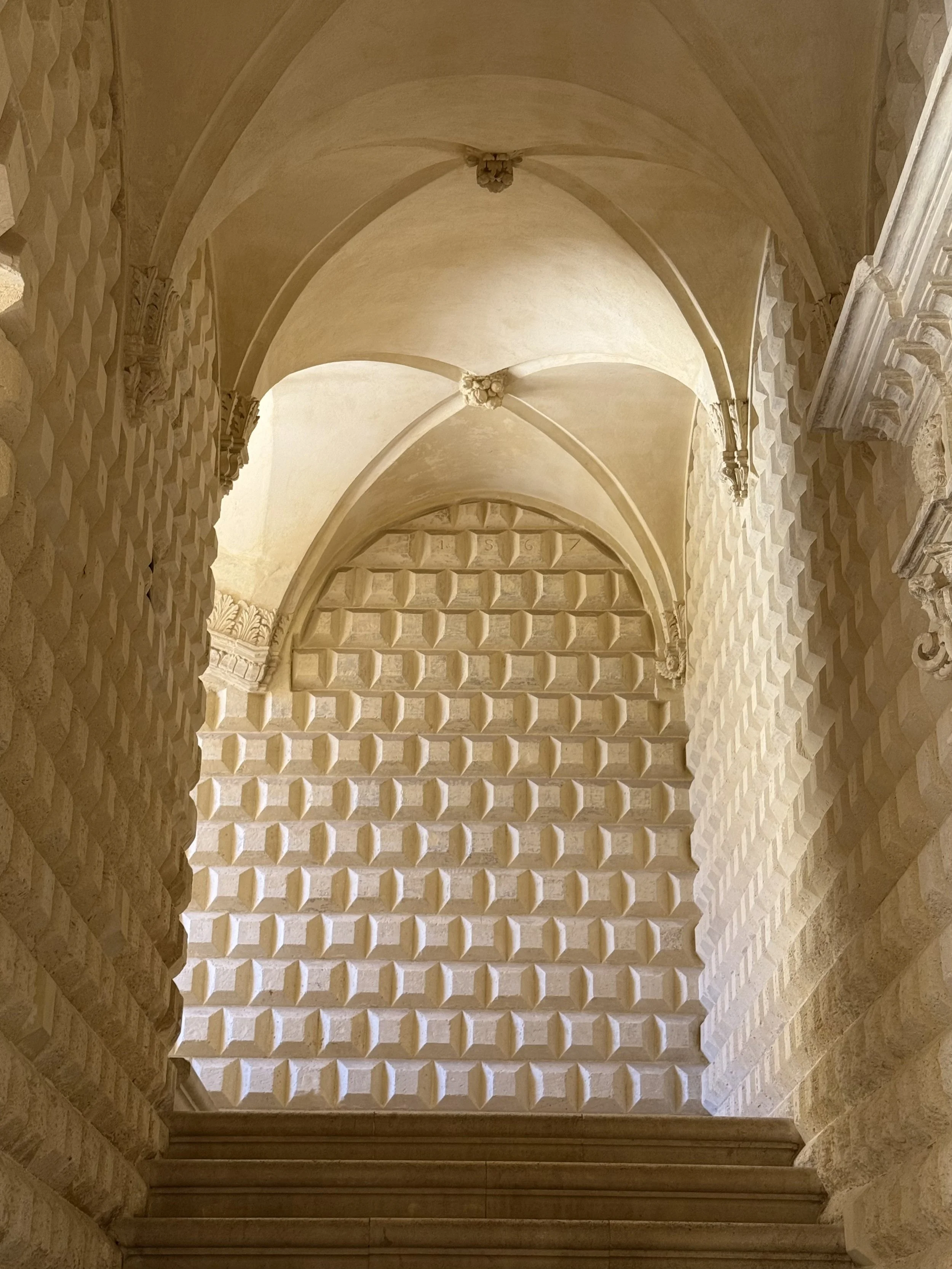
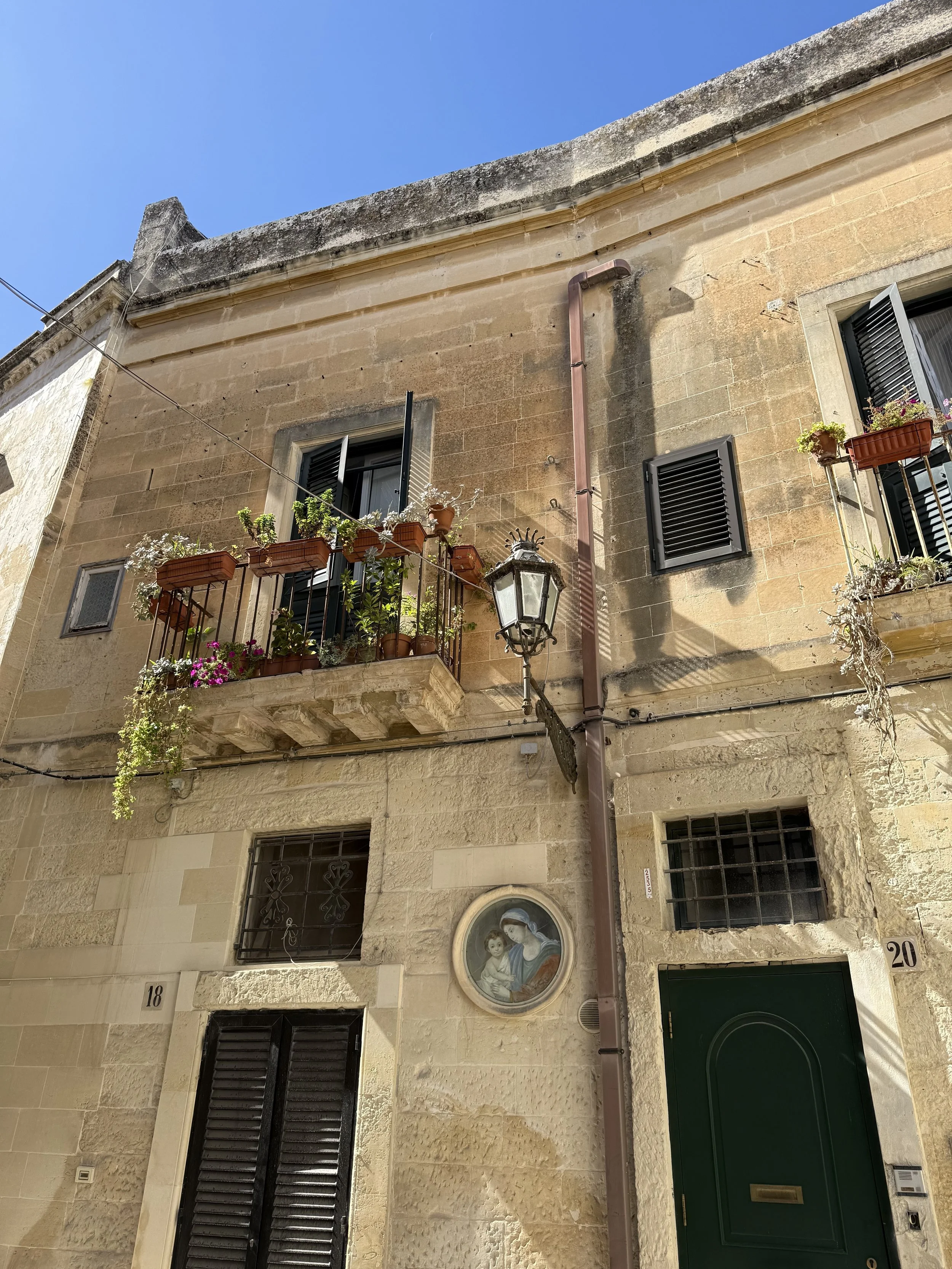
Lecce reminds me a bit of Arles. Slightly rough around the edges, creative, still genuinely lived in. Cooler than the overly polished places because there’s still some friction to it.
I was obsessed with La Fiermontina’s whole story — the art collection, the family history, the slightly chaotic European romance of it all. The kind of beautifully complicated family you almost wish you’d been born into.
The hotel places you directly inside the life of the town. You walk everywhere — morning coffee, wine bars, little shops, dinners that slowly become drinks somewhere else. The hotel itself has two sides: the older manor house, which I personally prefer because it has more soul, and the courtyard pool side, which most clients will probably gravitate toward. Thankfully, all the facilities are shared, so it really just depends on you.
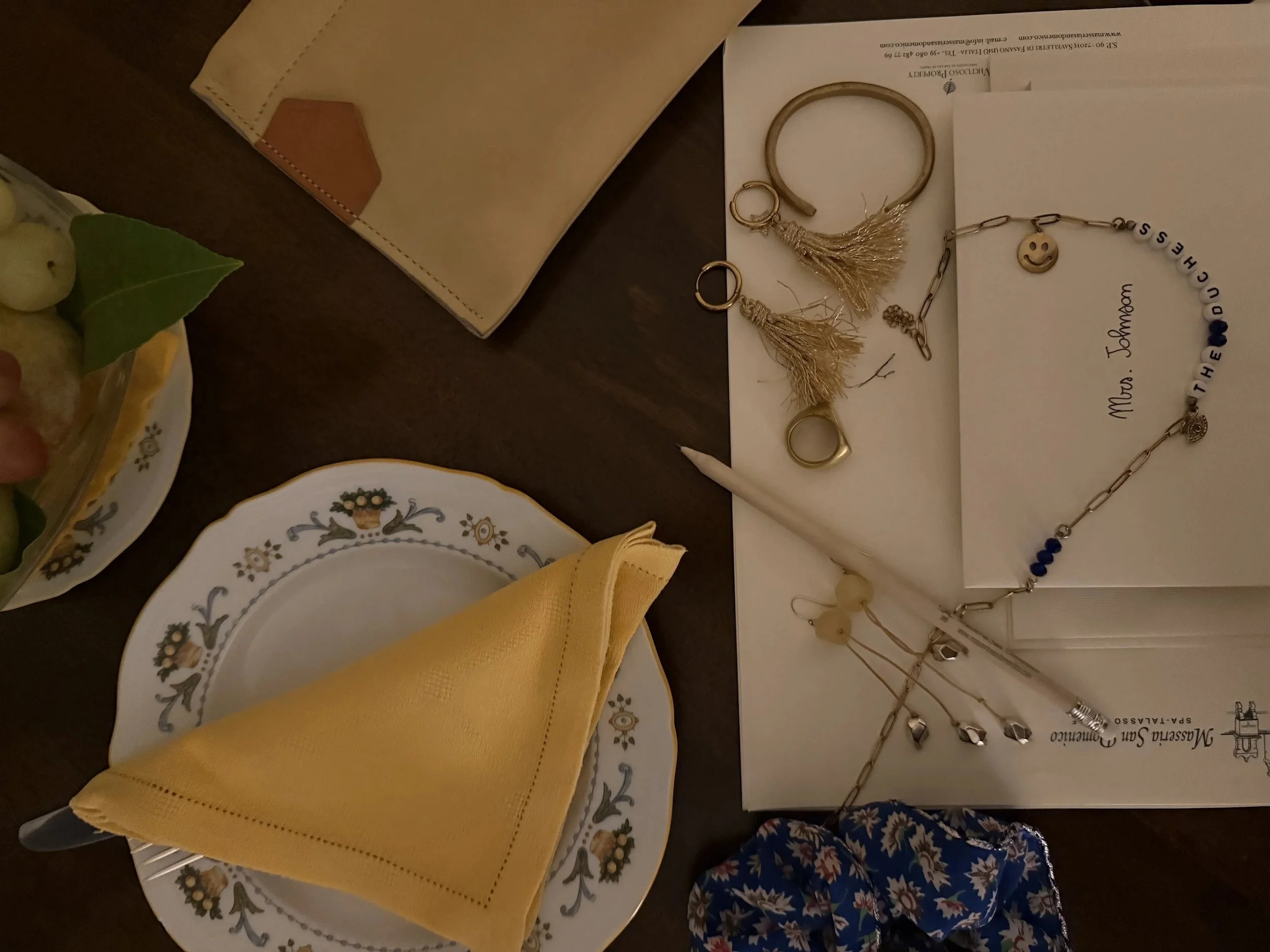
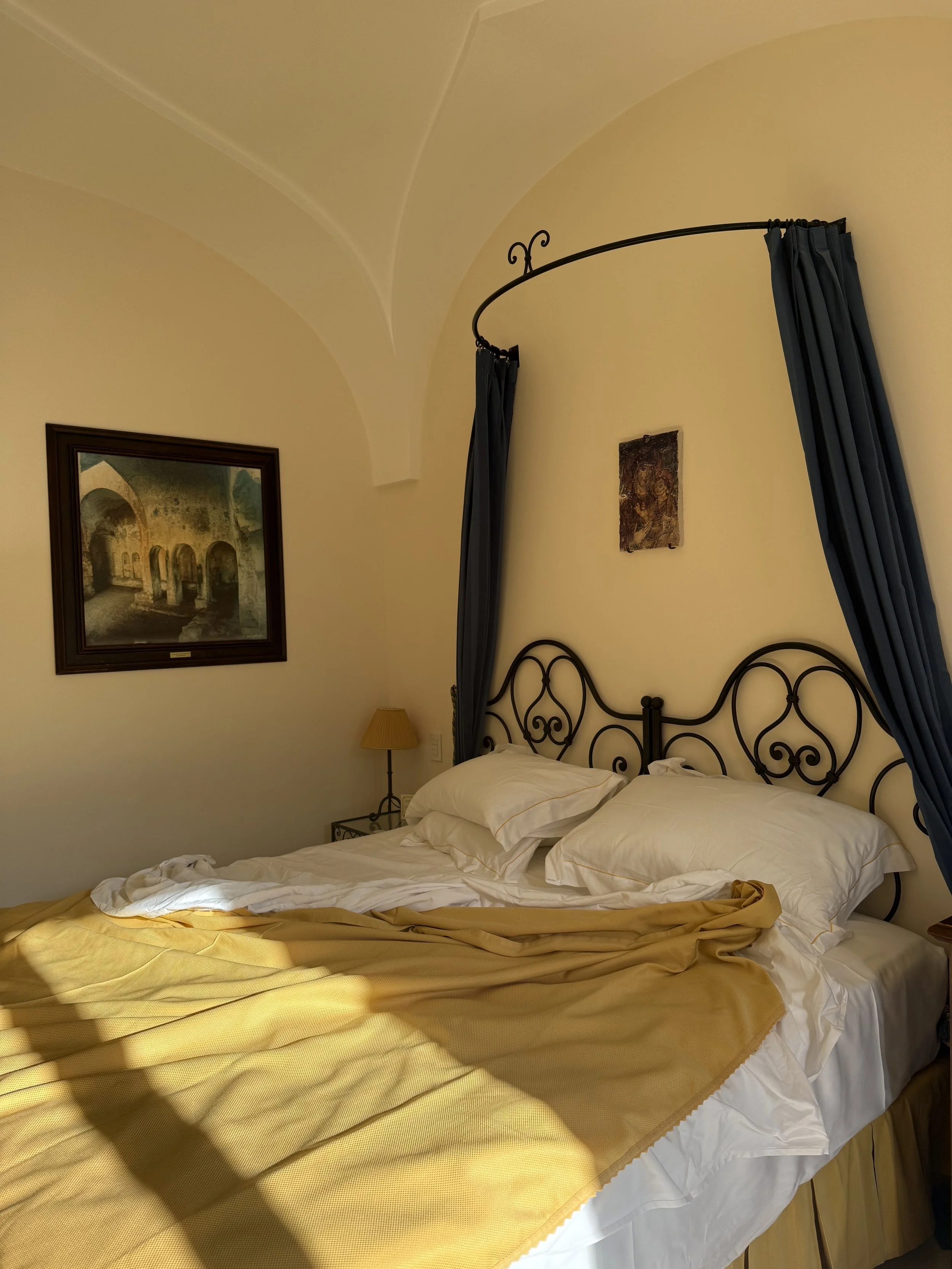
Then I’d move into the countryside to Masseria San Domenico for three nights.
This is where Puglia settles in properly.
The property feels calm, polished, and deeply comfortable without becoming sterile. That balance is surprisingly hard to find here. So many places in Puglia either feel overly produced or have this strange whitewashed, vaguely 90s luxury aesthetic that immediately kills the mood. San Domenico avoids all of that.
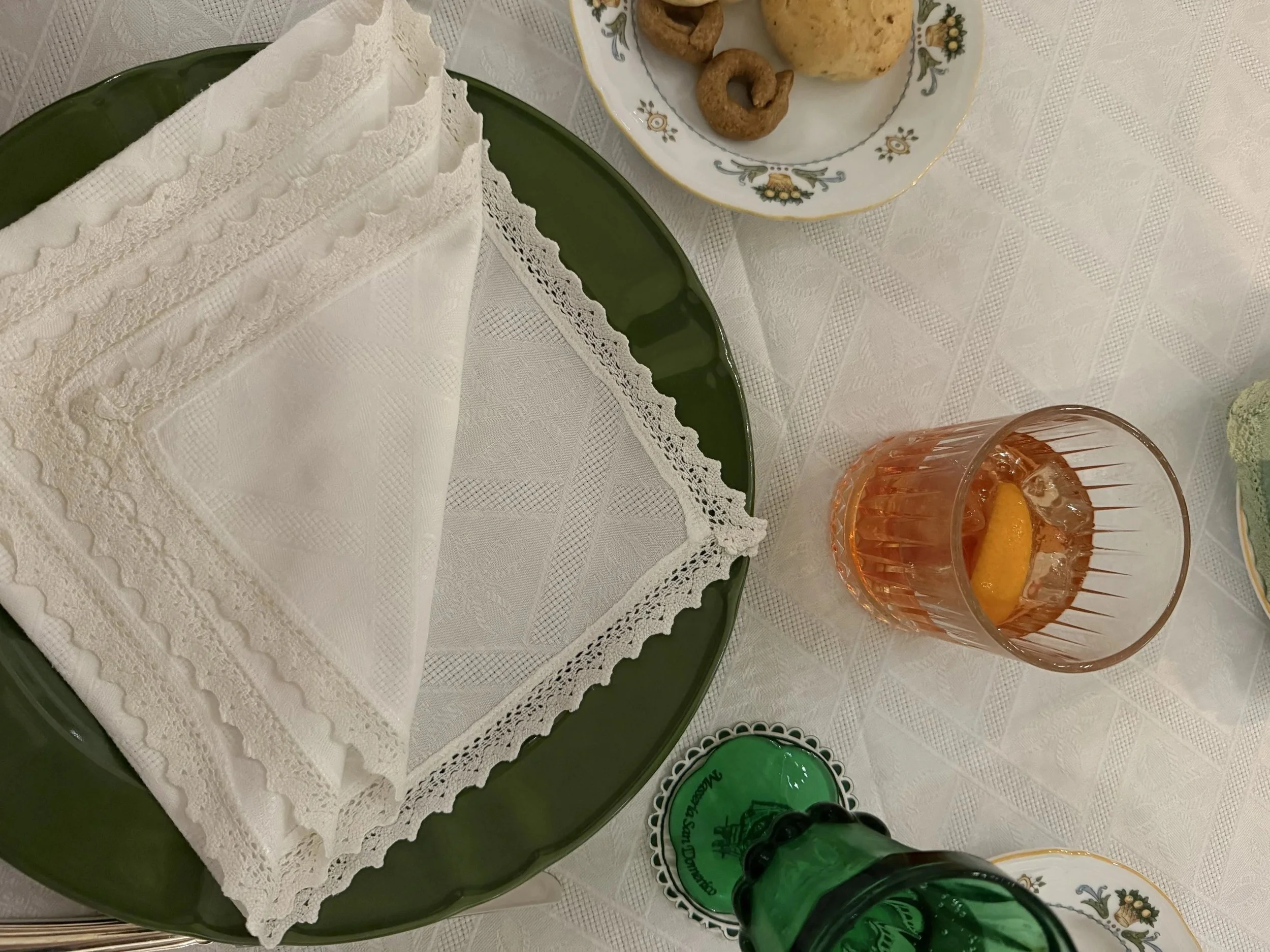
The massive natural pool is perfect for an afternoon swim and a long stretch in the sun. Early evening aperitivi on the terrace with olives, burrata, grilled vegetables, and whatever came out of the kitchen that day are lovely in that very effortless southern Italian way, while the old dining room — perfect linens, proper waiters — feels almost wonderfully formal now. The kind of formality that’s becoming increasingly rare and therefore increasingly appreciated.
It’s also extremely well positioned, which matters more in Puglia than people realize. Some of the region’s most talked-about hotels are so isolated that you spend half the trip driving.
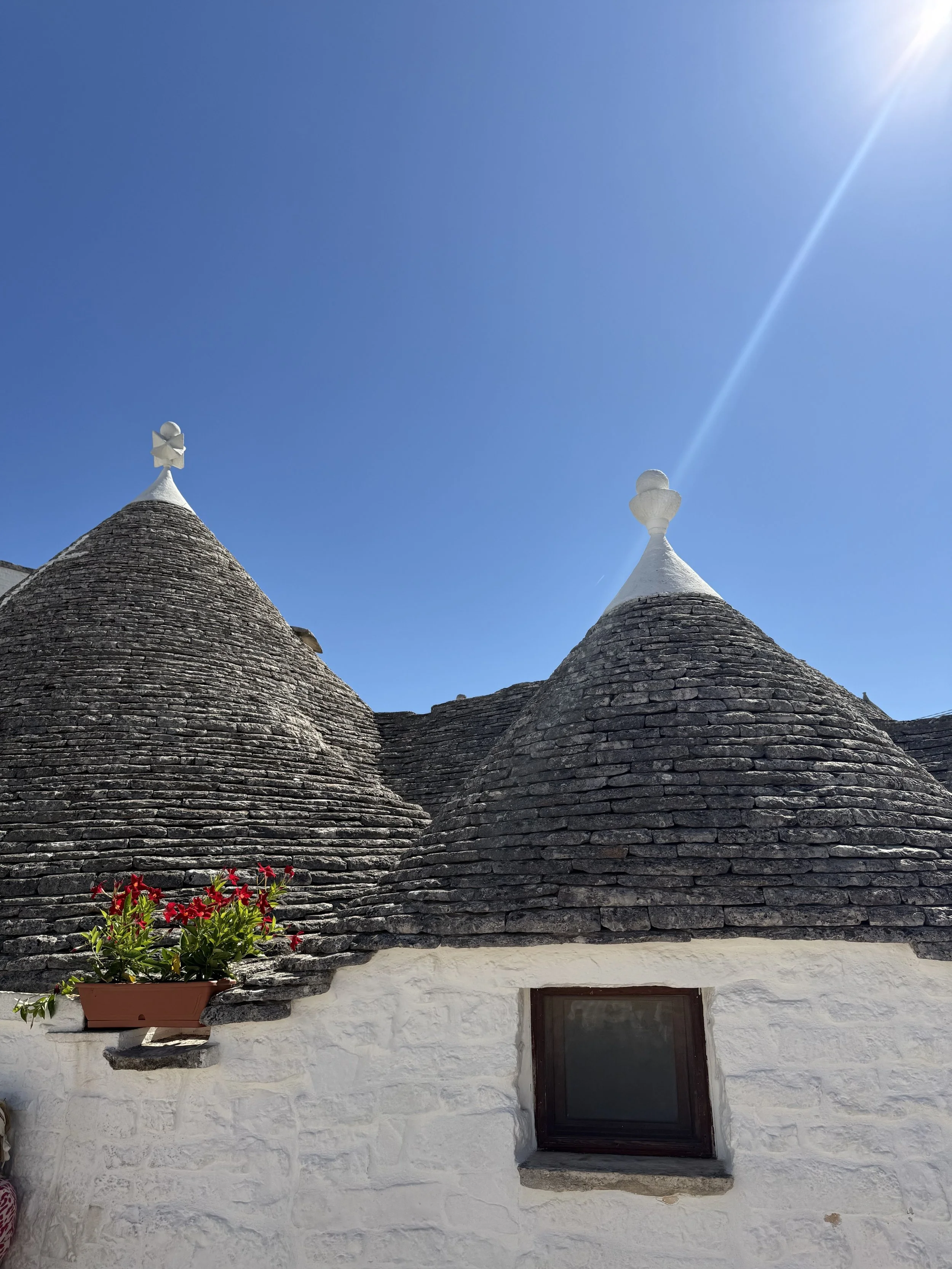
From here, one of my favorite days was taking a vintage car through the countryside to Alberobello. Yes, the trulli are famous. Yes, it’s touristy. Yes, you should still absolutely go. But the right people change the experience entirely.
That’s what we do best.
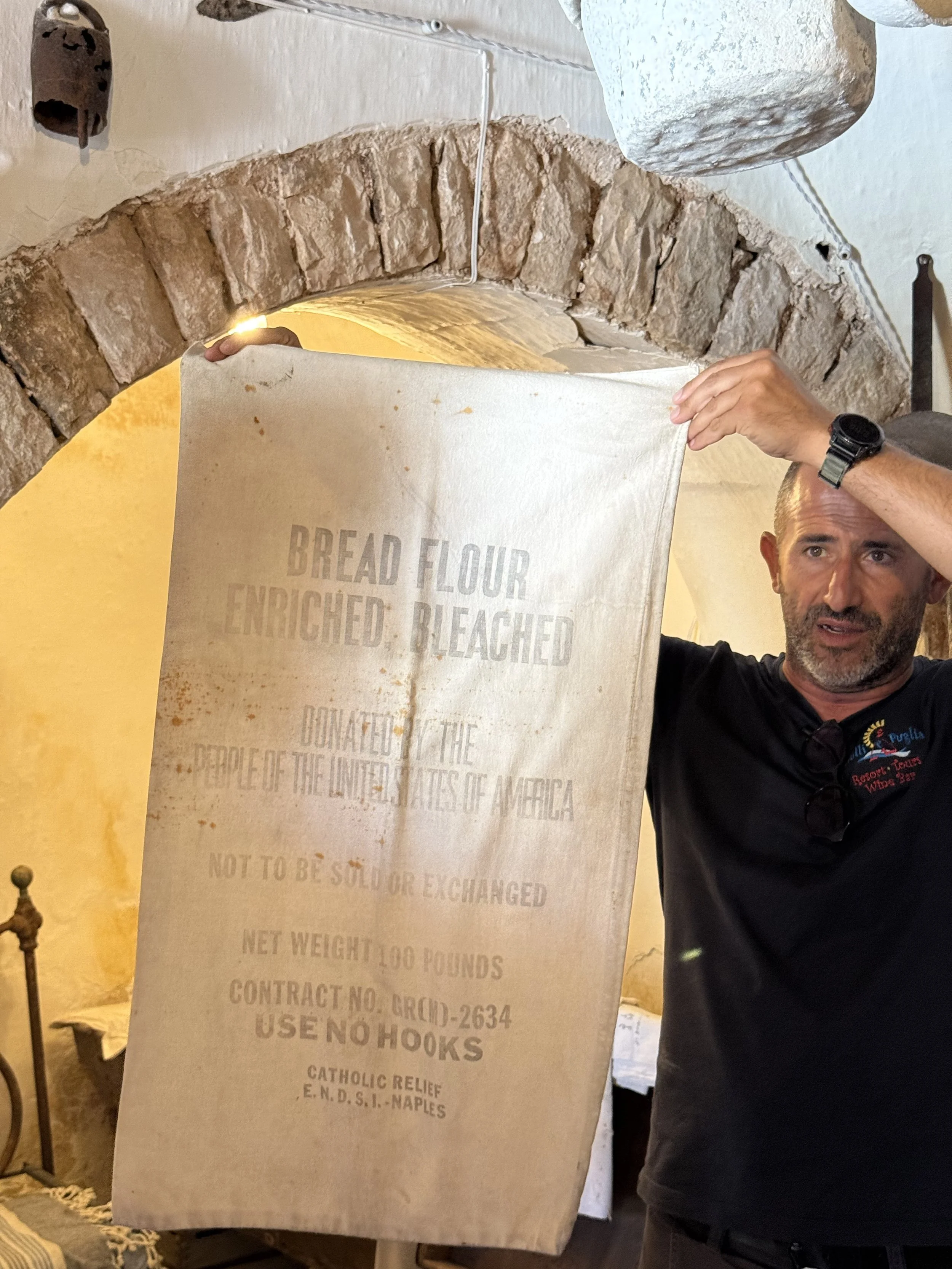
We arrange a local guide who walks you through the trulli in a way that feels less like a formal tour and more like your friend who grew up there came home from work and had an hour to show you around. You get the history, the context, the funny stories, and enough understanding of the place without getting trapped in an overly academic explanation. Perfect for people with shorter attention spans who still want a sense of where they are.
And then the best part: lunch inside a family trullo courtyard. Long, relaxed, deeply local, and impossible to replicate on your own.
From San Domenico, you can also spend an afternoon in Ostuni or, my preferred version of a coastal day, hop by small boat between seaside towns for lunch somewhere that looked good from the water. Less beach club. More drifting through the day.
There were also two additional properties that I recommend to clients:
Borgo San Marco Boutique Hotel
La Carrube – Masseria in Ostuni
And because people always ask: Borgo Egnazia is not for me. It feels too aware of itself. Too designed. Almost like Italy imagined for export.
Puglia works best when it feels less produced than that.
I didn’t leave Puglia obsessed with it in the way people often speak about Italy. But I did leave understanding its perspective — its slightly undone elegance, its southern warmth, and why people who already know Italy always enjoy a trip here.